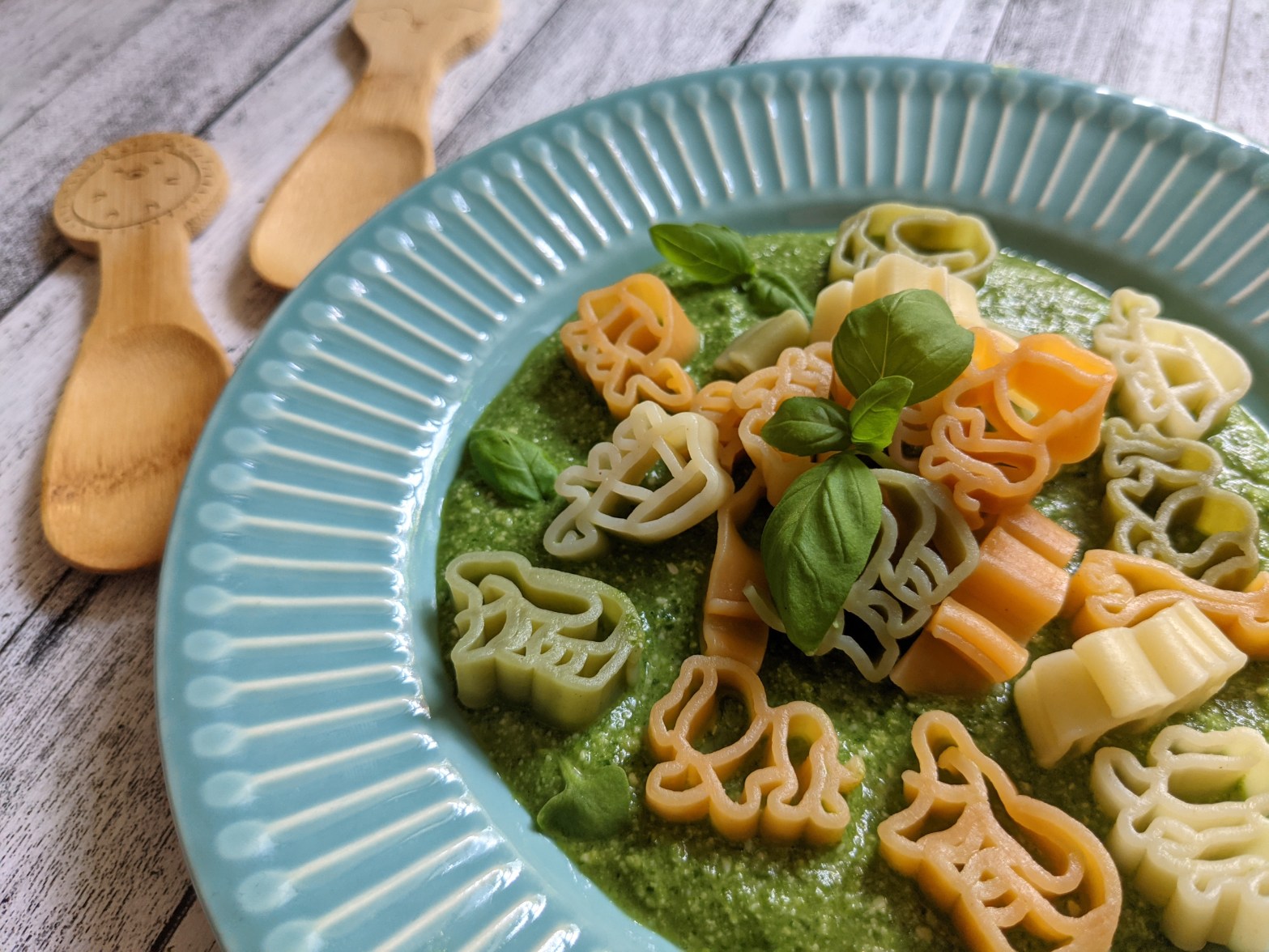
I’ve recently written two instagram posts on children and how to not manipulate children into eating, trying something they don’t want to try or depriving them of snacks or dessert for unrelated things. Since not all of my followers are also reading my blog and vice versa, I’m going to share them here as well.
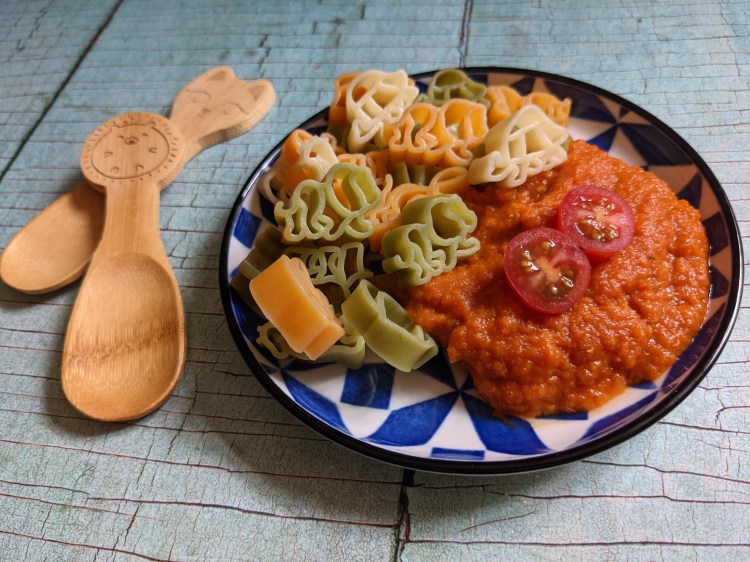
1. One of the things I like most about my job is the fact, that I can introduce children to healthy nutrition and a variety of food. Yes, a lot of it is a variation of something I have cooked before – or at least looks like something I have made before- but the days where your child only eats plain pasta and dry toast will pass. Offer, offer, offer, no pressure – that’s my key approach. It breaks my heart when children get emotionally blackmailed into eating something they don’t want to eat.
Sure, sometimes you have been cooking all morning and would prefer some appreciation, but you’re the adult in the relationship – and children do not owe you to try anything. An example: One of the nursery children only eats apples. No other fruits, no other vegetables. For their first week, I’ve served them plain pasta, plain rice and apples, every day, no questions asked. I knew, they were hydrated, I knew they were fed, I knew they were getting at least the right amount of fat and vitamins, even if it was from linseed oil and apple slices. The following week I switched to offering what everyone else is eating and offered different fruits and vegetables as a snack and kept the plain stuff as a backup. It was hit and miss, honestly. But they were trying more things. And now, after a month, they have settled and try everything. When I know I’ll serve something they definitely don’t like, I will prep an easy alternative – and order a few more apples.
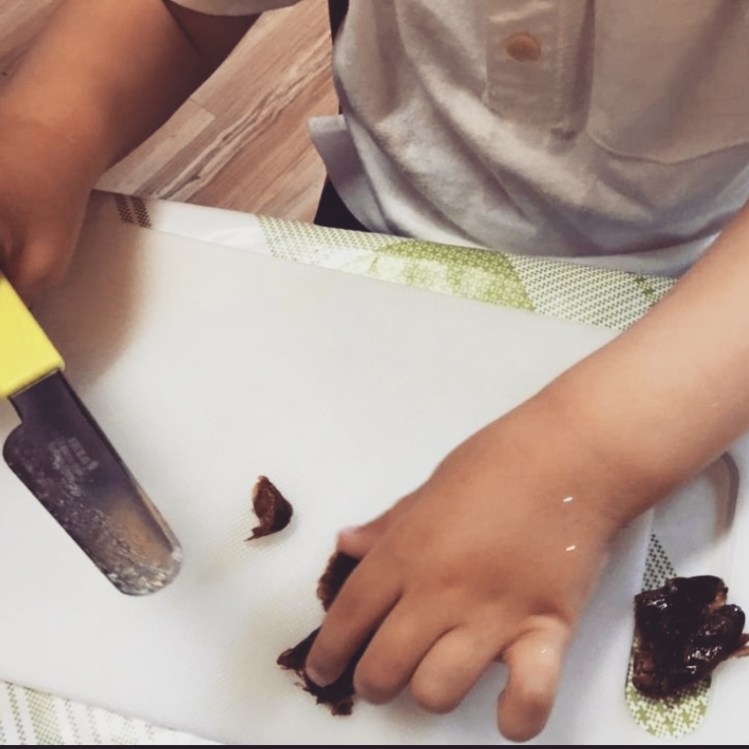
We need to free ourselves as teachers or parents from an emotional attachement of mealtimes. Children are dependent on us, they cannot choose their meals freely, so we need to accept if sometimes they reject what we cook them – no matter how lovingly we did so.
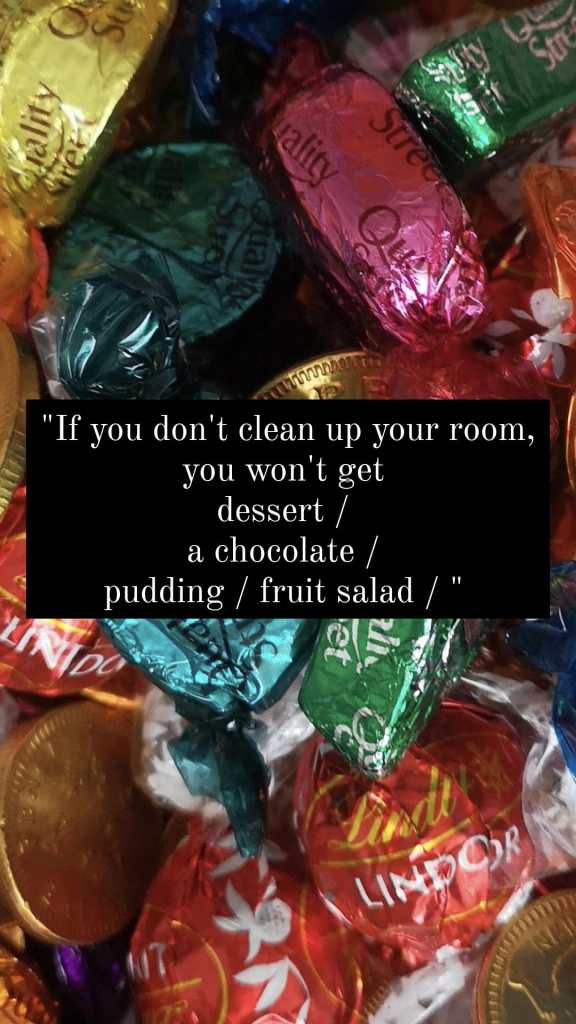
2. Pressure and Fear are never great leading strategies at the best of times. The only time your child has to react, absolutely no questions asked and it is necessary to force them to do something is imminent danger, oncoming traffic, abduction, fire.
The daily meal times are not.
We as human beings all communicate 100s of times during the day, non verbal, verbal, sometimes even although we’re actively trying not to do so. And we have a fundamental right for these moments of communication to be free of violence. Believe it or not, forcing a child to eat is a form of violence, even if you’re not physically doing anything and it can be very very damaging, as their autonomy is trumped with the parents needs. When we are born, we have a gut feeling, that tells us what we need: Food, sleep, human contact, pooping, you get the gist. We all have it and when we grow up it vanishes. Ever worked in an office? Can you just get up and go to the toilet when you want to? Can you get yourself a snack, and what if that snack feels like it needs to be a dish of chicken casserole with a side of vegetables? Society not only trains us to ignore it, it teaches us to blatantly trample all over it. Your natural wake up time is 5am? Really?! 12.30 is lunch time. Are you hungry, or have trained your body to be hungry at this time?
From a nutritional point of view, it’s not massively important WHEN we eat, as long as we are getting all the nutrients we need. So threatening your child to take away part of their meal, their nutrition isn’t a great way of teaching them, that they will always have access to food and can therefore listen to their gut feeling. Instead it will teach them to be “good” to deserve food at best and be the beginning to a life long eating disorder at worst. We all know the child at the birthday party who eats all the sweets in a record speed until they make themselves sick – how do you think their relationship to food is? We as parents or teachers lay the foundations for children to develop a healthy relationship with food and therefore food should be exactly that: Nourishment, not punishment/reward. The only comment should be: “Eat, until your tummy is happy.” Period.
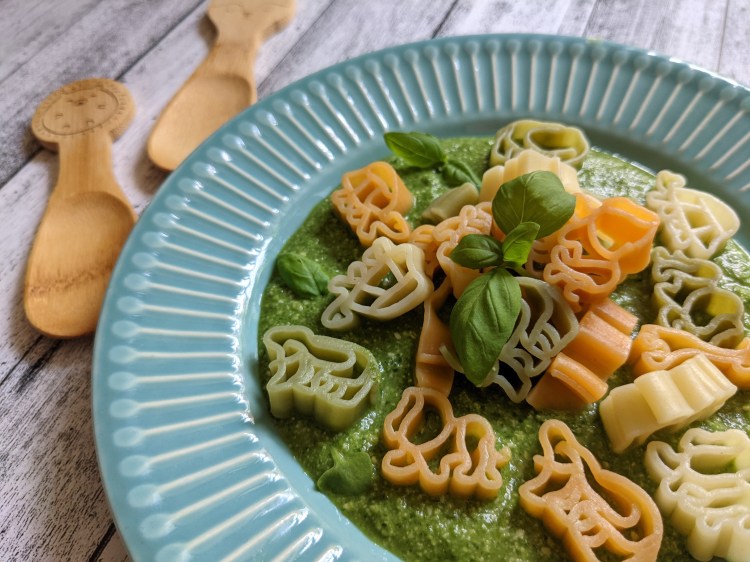
If you would like to know more about children’s nutrition or how to cook for small tummies, please don’t hesitate to contact me.
If you liked this post, you can buy me a tea or coffee as a gift.
 Jana Jarrett Nutrition
2 thoughts on “small tummies”