… when feeding a toddler.
If you are a parent and your child has recently started weaning, or is in nursery you have probably done a quick google search on what your toddler should and shouldn’t eat. And as usual when it comes to anything to do with children, the opinions, covered as “professional advice” are endless and often not only contradictory, but flat out false.
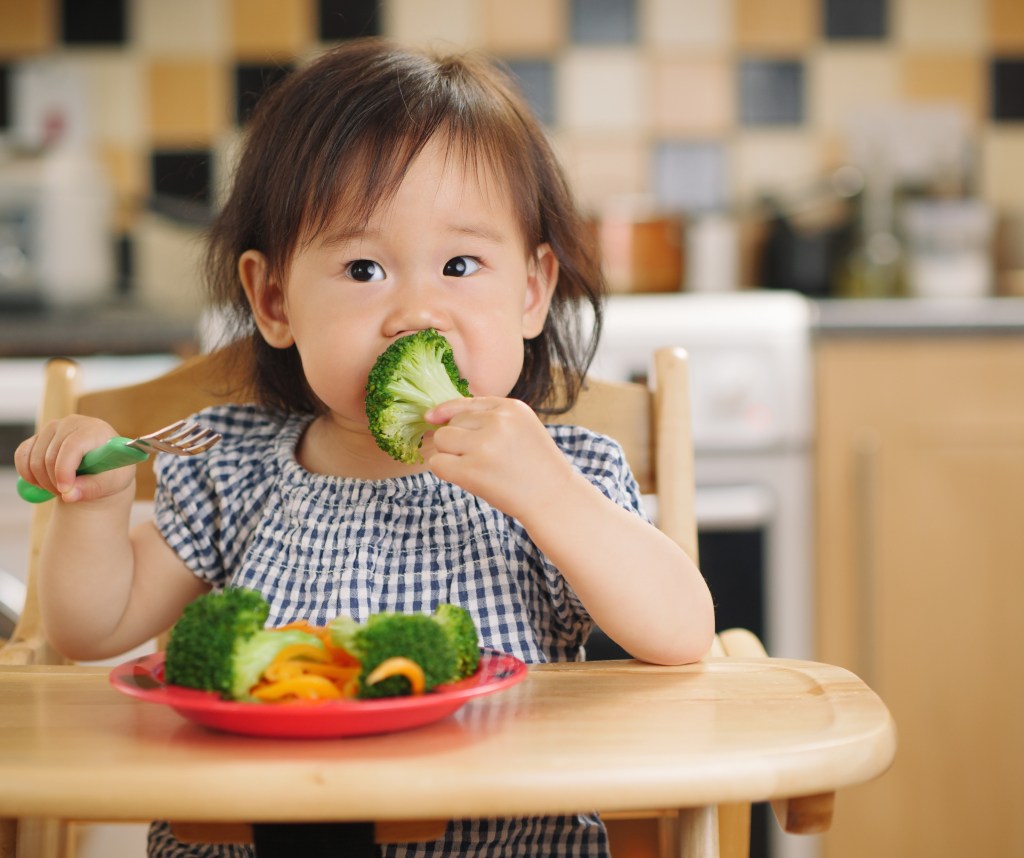
Your child is currently exploring their options when it comes to food, but they are also learning countless things, like taste, texture, how to chew and swallow things and developing a taste for things. You will notice that facial expressions are often more insulting than the actual reactions and that couscous and rice will soon become your least favourite foods, as they end up everywhere and are there to stay everywhere, no matter how often you hoover (psssst… if you can, let it dry and then clear it up, it’s a hundred times easier). Okay, the little introductory detour is finished and here are 10 foods your toddler shouldn’t eat (yet):
Number 1 and the one you probably read most online: SUGAR. Lots of sources say it’s to prevent weight gain, but that’s something that shouldn’t even be on your mind right now. Diet culture is harmful to all of us, but most harmful to young children, as the things we teach them now will stay with them for a lifetime. The reason to avoid sugar as much as possible is early tooth decay and the fact that sweet is the main taste both children and adults automatically aim for. The earlier sweet food (apart from naturally sweet food such as sweet potato or fruit) gets introduced, the less likely it is for children to develop a varied palate. Aim for naturally sweet foods and try not to introduce conventional sweets and juices too early. It’s hard to find the balance between avoiding and condemning them (which would make them waaaaay more interesting), but it becomes easier over time.
Number 2 is Honey. While honey is often recommended to replace sugar, the processes within the body are the same and it is not as healthy as its reputation. However, the reason why honey should be avoided for children under 2 is the fact that honey occasionally contains bacteria that can produce toxins and lead to infant botulism.
An obvious number 3 is alcohol and caffeine. Alcohol is a strong neurotoxin that can affect the normal and timely development of their brain and other organs, leading to a decrease in problem solving skills, empathy and overall learning abilities. Of course you wouldn’t give your baby a glass of wine, but alcohol can be in some sweets, savoury sauces, overly ripe fruit or juices. It is best to completely avoid it, as the smallest amount can have long term effects. The same goes for caffeine, which is in some teas, sodas and sweets, such as chocolate.
Number 4 is peanuts and peanut butter. The reason is not – as mentioned on an unfortunate number of websites and early year forums – that peanuts are a common allergen (they also don’t cause allergies, you have allergies or not and exposure can trigger them), the reason is that they are a severe choking hazard. Peanuts have just the right size to close your toddlers airway and are almost impossible to remove quickly. Peanut butter – something that can be introduced during the weaning stage in food, such as pancakes- can be very dense on its own, and therefore also poses a significant risk if it is not swallowed correctly.

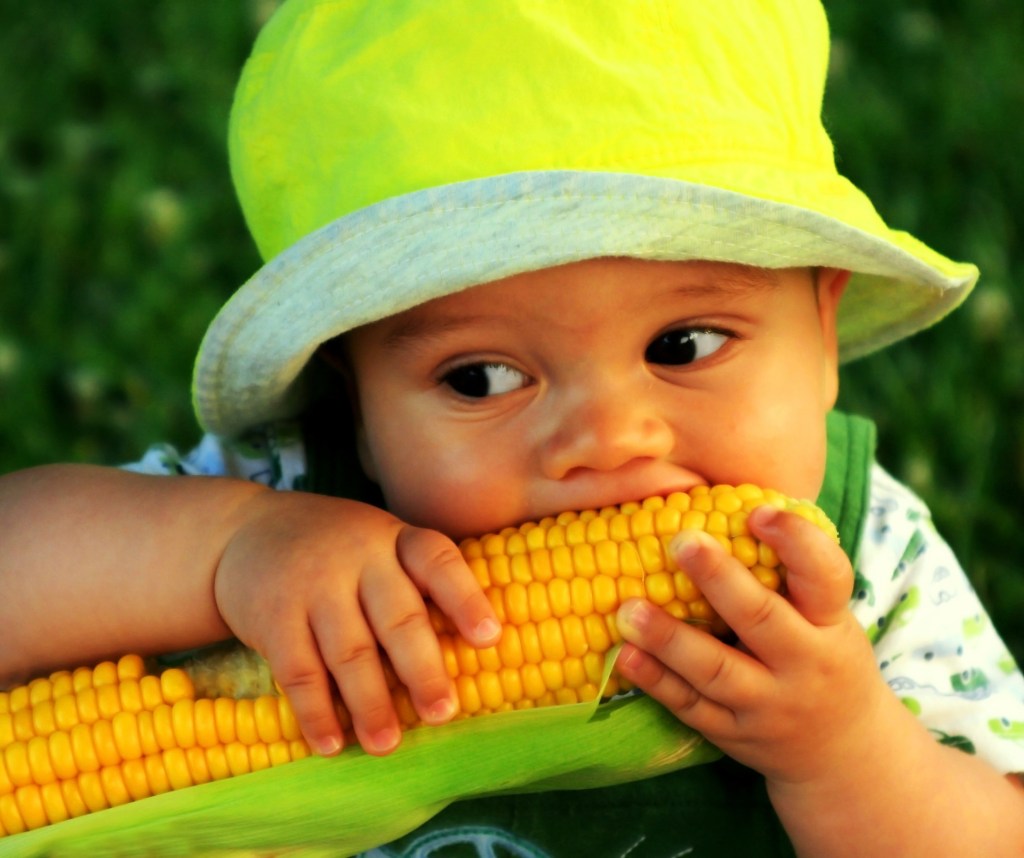
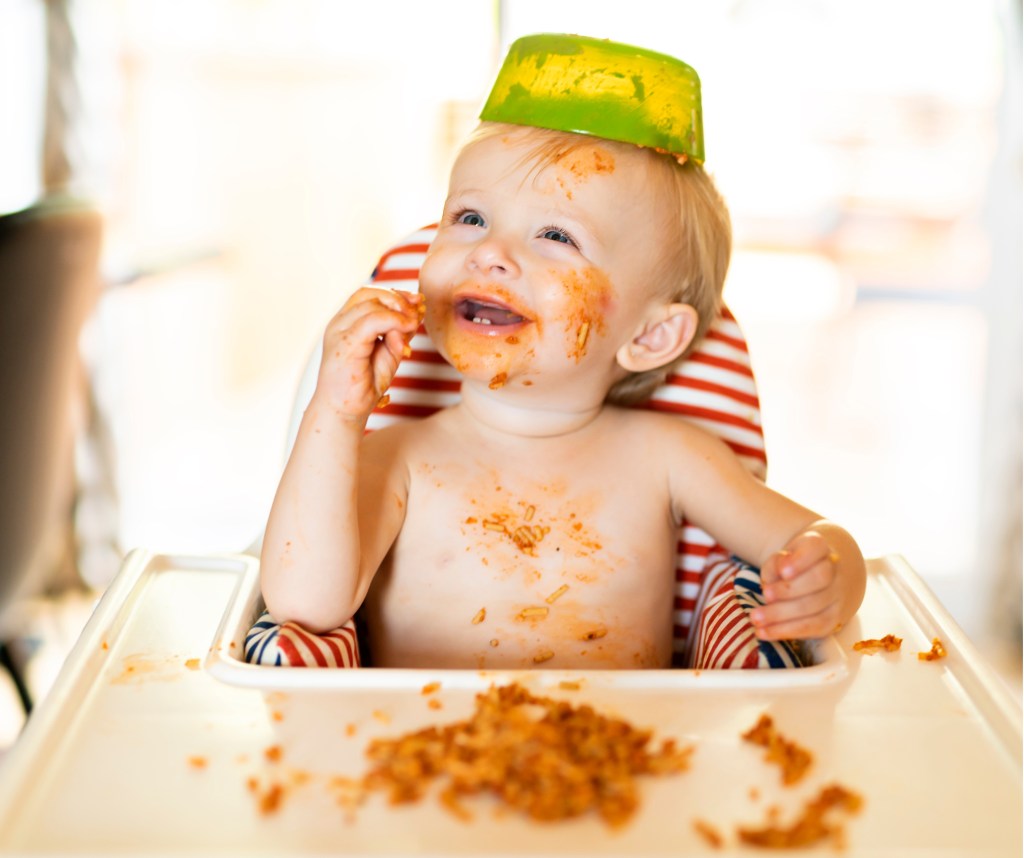
Number 5 – and one of the reason this stock photo made me quite furious- is popcorn. This is something I also didn’t know earlier on in my career, but popcorn also is a common choking hazard for children under two years old and should never been given to older children without supervision. The hard, unpopped kernels can also damage the teeth and gum of your child.
Rice milk is Number 6, due to its high levels of arsenic. If your child had rice milk before, don’t panic and simply replace it with another plant based option. While rice milk has arsenic, the equivalent your child would need to eat from cooked rice is impossible to achieve, therefore rice is completely safe to eat. That includes organic rice and rice cakes.
Number 7 is unpasteurised milk. While it’s unlikely to accidentally buy milk that hasn’t been heated long enough to kill harmful germs, raw milk cheeses are more common. These include brie, gorgonzola and some brands of mozzarella. Most cheeses in the UK like feta or mozzarella are pasteurised though, which significantly reduces the risk of listeria bacteria. Listeria is rarely severely harmful to healthy people, but can be fatal to risk groups, including babies and toddlers. It will state on the label if the milk has or hasn’t been pasteurised.
Sunflower seeds are a super healthy source of Vitamin E, zinc and selenium, but the seeds can get lodged in a toddlers gum or esophagus and can cause inflammation there, most likely undetected for a while. That makes whole sunflower seeds our number 8.
Number 9 are chewy foods, such as gummy bears, stringy cheeses or meats and food that require a lot of chewing to be swallowed safely. Since your child might not yet understand when food is safe to swallow, they might try to swallow it whole or in large chunks, making it another choking hazard. Additionally chewy foods require a certain level of teeth, that might not have broken through yet.
Number 10 is salt. Salt is essential for many bodily functions, such as nutrient absorption, the balance of hydration and minerals, nerve impulses and muscle use, however, the amount of salt we need to keep these functions running, is minimal. Ideally a child shouldn’t have more than 1g of salt a day, which is less than one of the serving packs of salt you get in fastfood restaurants per week. Salt or sodium occurs in a lot of our daily foods, such as bread, dairy products, cold cuts of meat and any form of ready made food, such as chicken nuggets, fish fingers etc. Normally baby centric brands have versions that are suitable for children. Make sure your child is sufficentially hydrated and don’t add any table salt to the food you cook for your child. When using cheese or vegetable spread, make sure you use a minimal amount and have a look at your overall use over the course of the week. A “salty meal” here and there isn’t a drama, but it should not be the norm.
I hope this article helped you! If you liked the read, maybe you also like my article about feeding children or cooperation pebbles. You can also follow me on instagram.
(All featured images are stock photos from Canva)
 Jana Jarrett Nutrition
One thought on “10 foods to avoid …”